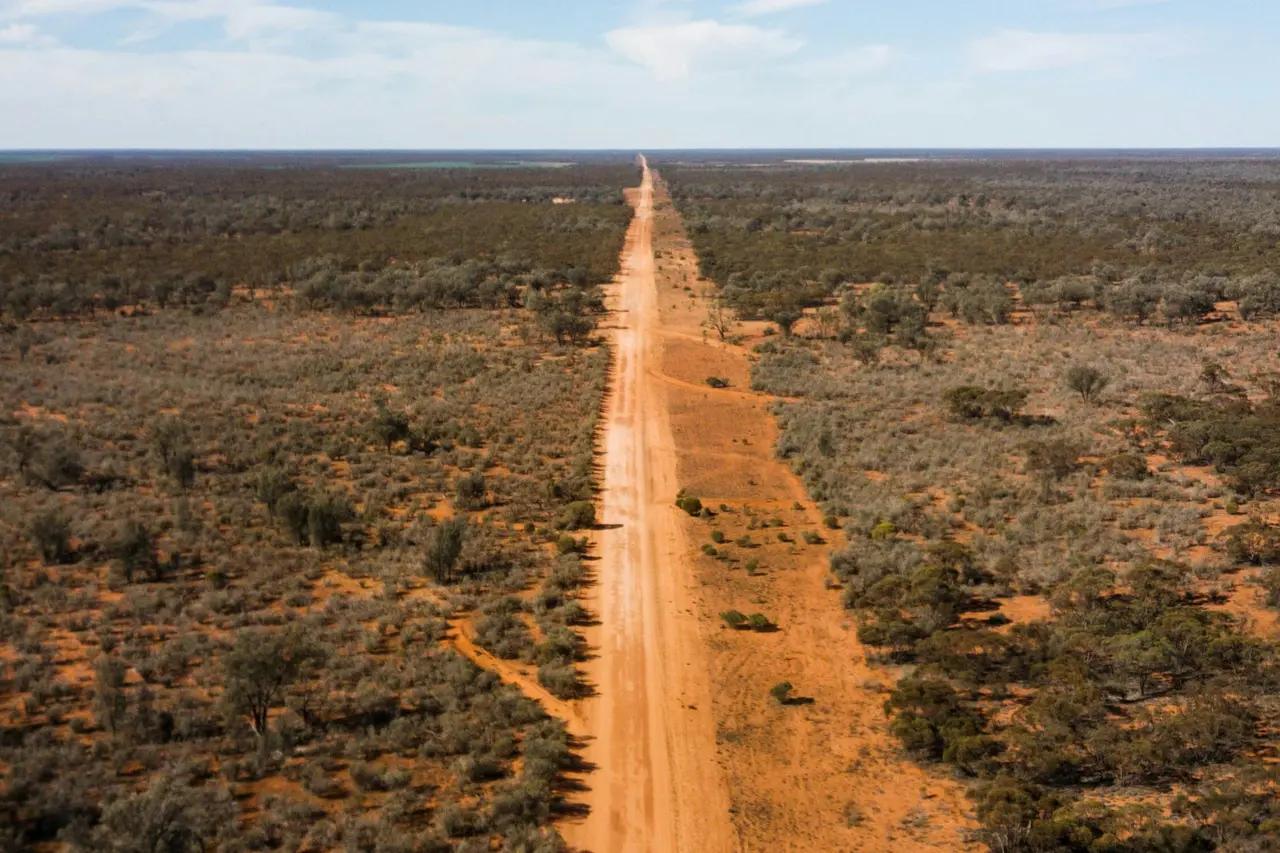
The Big Lap. Around Australia. It sounds simple enough — drive around the country and come back where you started. But between the dream and the departure date sits a mountain of decisions that can make or break the trip. This guide walks through the practical steps of planning your first lap, from the moment you decide “we’re doing this” to the day you pull out of the driveway.
Pick Your Direction and Season
Clockwise or anticlockwise? It matters more than you think. The general wisdom is to go anticlockwise — up the east coast, across the top, down the west, and back along the bottom. This puts you in the Top End during the dry season (May–October) and along the south coast during the warmer months, which is the pattern that works for most people leaving from the eastern states.
The Top End is non-negotiable: you want to be there during the dry. Wet season (November–March) brings road closures, extreme humidity, crocodile activity in flood zones, and stinger season on the coast. The Kimberley’s Gibb River Road and many Cape York tracks close entirely. Plan your entire route around getting the Top End timing right, and let everything else fit around it.
Most laps take 6–12 months. Trying to do it in under 5 months means you’re spending more time driving than exploring. The sweet spot is 8–10 months, which gives you time to linger in places worth lingering without the trip feeling like a schedule.
Choose Your Route (But Hold It Loosely)
Highway 1 is the obvious spine, but the Big Lap is really about the detours. The Nullarbor doesn’t have alternatives, but most of the rest does. Inland vs coastal? The Savannah Way or the Stuart Highway? Great Ocean Road or the faster inland route?
Start with a rough framework: your major “must-see” destinations as anchor points, then connect them with flexible legs. Most first-timers plan too rigidly and either burn out trying to stick to the schedule or abandon the plan entirely within the first month.
A practical approach is to plan the first 3–4 weeks in detail, have a loose framework for the next 2–3 months, and leave the rest open. You’ll meet people on the road who’ll recommend places you’ve never heard of, and your preferences will shift once you’re actually travelling.
Get Your Vehicle Ready
Whatever you’re driving, get it serviced properly before you leave — not a quick oil change, but a genuine pre-trip inspection. Brakes, bearings, suspension, tyres (including the spare), coolant, transmission, and a full electrical system check for your van or motorhome. Fixing a wheel bearing in Darwin costs three times what it costs in Sydney, and the parts wait can eat a week.
Tyres deserve special attention. Check the date codes — tyres older than 5 years can fail regardless of tread depth, and a blowout on the Nullarbor at 110km/h with a caravan behind you is as serious as it sounds. Budget for a new set if yours are borderline.
Weigh your rig. Not a guess, an actual visit to a public weighbridge. Overloaded vehicles are the number one cause of mechanical failures, tyre blowouts, and insurance claim rejections on Big Lap trips. Know your GVM, know your tow ball mass, know your ATM.
Build a Real Budget
This is where most first-timers get it wrong. They calculate fuel and camping costs but forget their continuing home expenses — insurance, registration, health cover, phone plans, streaming, storage unit for the furniture. These don’t stop because you’re on holiday.
The honest approach is to calculate your total monthly cost of living (travel expenses plus continuing home costs) and compare it against your income and savings runway. If the numbers don’t work, it’s better to know now than at month 4 when you’re in Broome wondering if you can afford to get home.
Fuel alone for a standard SUV-and-caravan setup is $7,000–11,000 for a full lap depending on your vehicle’s consumption and diesel prices. Camping ranges from $4,000 (mostly free camping) to $15,000+ (mostly powered sites at caravan parks). Food, insurance, vehicle maintenance, activities, and incidentals fill in the rest.
The Pre-Departure Checklist Nobody Talks About
Beyond vehicle prep, there’s a surprising amount of life admin to handle before you leave. Mail redirection. Bills set to autopay. A trusted person with a set of house keys and your emergency contacts. Updated wills (not fun, but responsible). Prescriptions filled for the first few months with a plan for refills on the road.
If you have a pet, research the rules — national parks generally don’t allow dogs, which eliminates a significant number of campgrounds. Some states require different documentation for travelling pets. It’s manageable but needs planning.
If you’re renting out your home, get the tenancy agreement signed and inspections done before departure. The last thing you want is property management decisions via patchy satellite phone from the Tanami Track.
Your First Month Sets the Tone
Don’t try to cover too much ground in the first few weeks. The adjustment from a house with unlimited power and water to a rig with tanks, batteries, and a 15-amp connection takes time. Learn your rig’s rhythms: how fast the water tank drains, how long the fridge can run on battery, what your solar panels actually produce (hint: less than the spec sheet says).
Stay close to reliable services for the first fortnight while you sort out the inevitable teething problems. Every rig has something that rattles loose, leaks, or doesn’t work quite right once it’s actually on the road. Better to discover that near a hardware store than 200 kilometres from one.
Tools That Actually Help
A trip this size generates a lot of data — stops, costs, bookings, fuel, distances. Spreadsheets work until they don’t. Purpose-built tools that understand the specific structure of caravan and RV travel save time and catch things spreadsheets miss, like whether your total budget actually works when you factor in the home costs you forgot about.
Ready2Roam was built specifically for this kind of trip. Baseline budgeting compares your travel costs against your home costs, the Go/No-Go verdict tells you honestly whether you can afford the trip, and the 130+ preset routes across 6 regions give you a starting framework you can customise. Plan it before you go. Track it while you’re out there.